The True Art of Seeing: Steps to Analysing a Photograph Like a Judge
By Jeff Walsh – Photographer, Educator, Adventurer.
More Than Meets the Eye
Every photograph tells a story; but when I analyse one, I’m not just looking for beauty. I’m searching for balance, emotion, intention, and that spark that makes an image unforgettable.
One of the most valuable lessons I’ve learned as a qualified photography judge is that critiquing other photographers’ work sharpens your own eye. By studying how others use light, composition, and storytelling, you begin to refine your own taste - allowing you to gain more understanding of what you’re drawn to, just as importantly, what doesn’t resonate with you. Viewing and analysing others’ images is one of the best ways to grow as a photographer.
Over the years, I’ve judged thousands of photographs in competitions, exhibitions, and workshops. Yet even now, I’m still learning something new from every image I see. That’s the beauty of photography! It's a lifelong classroom.
First Impressions Matter
The very first glance at a photo tells me a lot. Before I start breaking down the technical aspects, I take a moment to simply feel the image. Does it grab my attention? Does it evoke curiosity or emotion? A strong photograph has an immediate impact. It pulls you in before you can even articulate why. We have all had that feeling - it truly hits your soul.
When judging competitions, that initial emotional connection often separates the “good” from the “great.” It’s the difference between seeing a photo and feeling it.
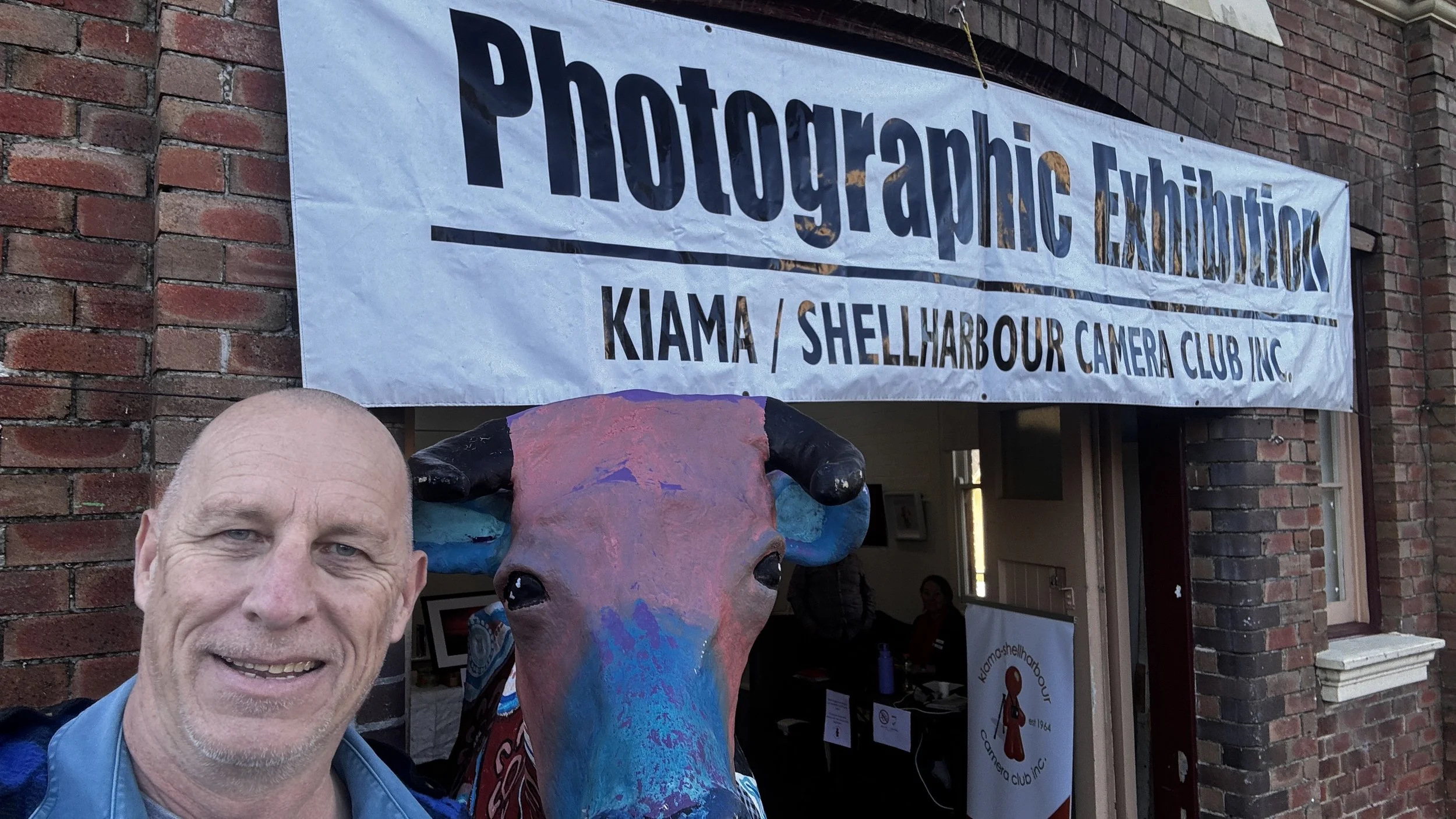
𝘗𝘩𝘰𝘵𝘰 visiting the Annual Kiama/Shellharbour Camera Club Exhibition, i have also judged their monthly competition.
Composition – The Visual Blueprint
Once the emotional reaction settles, I start analysing the structure.
Balance and flow: Does my eye move naturally through the frame?
Use of leading lines, framing, and space: Are they enhancing or distracting from the subject?
Simplicity: Is everything in the frame intentional?
A well-composed image feels effortless, but trust me when I write this, it rarely is. Behind every great composition lies a thoughtful photographer who’s mastered both patience and perspective.
Light – The Soul of the Image
Light is everything. Whether it’s soft morning mist, golden hour glow, or moody storm clouds, light sets the tone. I look for how the photographer has used it - not just captured it. Are the highlights controlled? Are the shadows telling part of the story?
In my experience judging landscape and seascape categories, mastery of light often defines the winning shot. It’s actually about the atmosphere. It’s not about perfect exposure.
Technical Control – The Craft Behind the Art
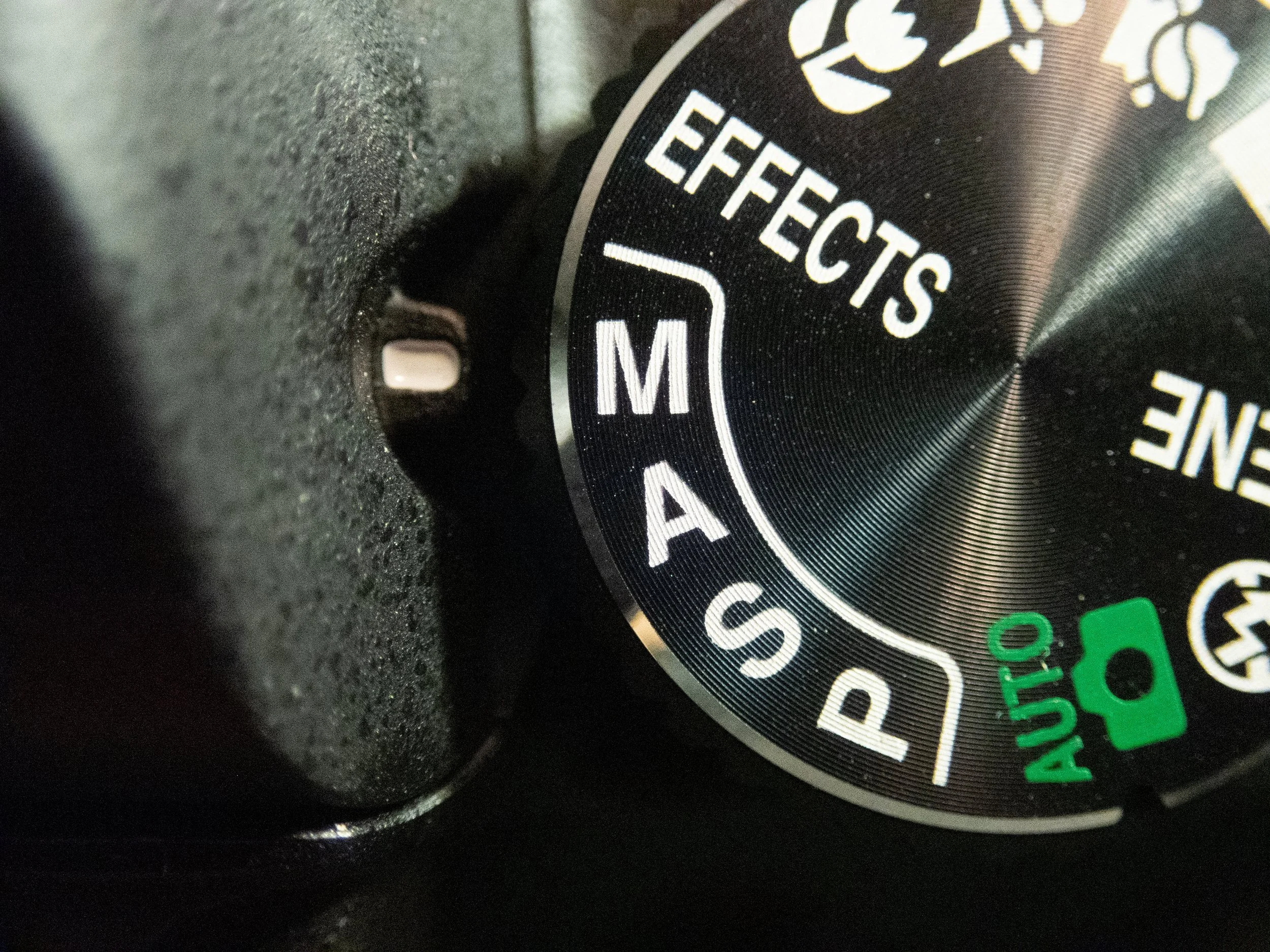
Technical execution matters. Focus, depth of field, exposure, and colour balance all contribute to a photo’s polish. But here’s the key: technical perfection alone doesn’t make a photo outstanding. It simply supports the storytelling.
A slightly soft image can still win if it has emotion and intent. A technically flawless photo without a soul, on the other hand, will always fall flat.
Storytelling and Emotion – The Photographer’s Voice
Every image is a conversation between the photographer and the viewer. I ask myself:
What’s the story being told?
Does the image express a feeling or moment with clarity and authenticity?
Can I sense the photographer’s connection to the scene?
Some of the most powerful images I’ve judged weren’t about exotic locations or any technical wizardry. They were simply honest. They showed how the photographer felt, not just what they saw.
Creativity and Originality – Seeing Differently
In a sea of sunsets and waterfalls, originality shines. I look for photographers who push boundaries with composition, light, perspective, or post-processing. It’s not about doing something wild for the sake of it, but about showing a familiar subject in a fresh way.
Even after years of judging, I still get surprised, and that’s when I know I’ve seen something special.
Presentation – The Final Polish
Whether it’s a print in a frame or a digital entry, presentation matters. Cropping, borders, colour management, and print quality all contribute to how the image is received. A beautifully printed and mounted photograph shows care and respect for the art form.
In competitions, presentation doesn’t exactly win an image but poor presentation can certainly cost it points.
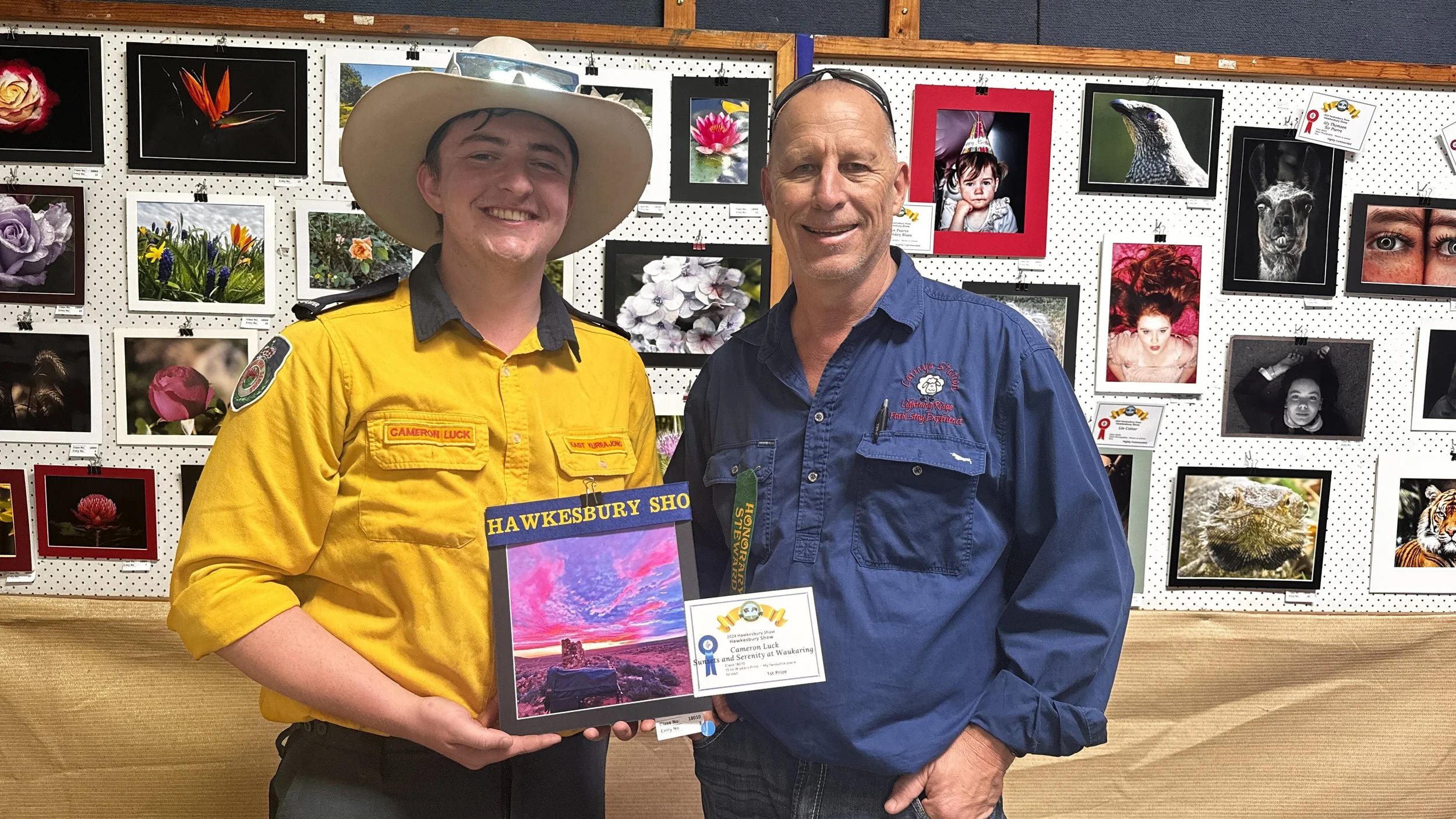
𝘗𝘩𝘰𝘵𝘰 𝘸𝘪𝘵𝘩 𝘸𝘪𝘯𝘯𝘦𝘳 𝘊𝘢𝘮𝘦𝘳𝘰𝘯 𝘓𝘶𝘤𝘬 𝘺𝘰𝘶𝘵𝘩 𝘊𝘢𝘵𝘦𝘨𝘰𝘳𝘺 𝘢𝘵 2024 𝘏𝘢𝘸𝘬𝘦𝘴𝘣𝘶𝘳𝘺 𝘚𝘩𝘰𝘸 𝘗𝘩𝘰𝘵𝘰𝘨𝘳𝘢𝘱𝘩𝘺 𝘊𝘰𝘮𝘱𝘦𝘵𝘪𝘵𝘪𝘰𝘯.
Always the Student
Being a photography judge has taught me how to see, not just look. Even after years of experience, I’m constantly learning from new photographers, fresh perspectives, and evolving techniques. Every image is a lesson waiting to be discovered.
I’ve also attended workshops where participants openly critique each other’s work. This process is incredibly valuable. My latest was at the Peter Eastway & Len Metcalf Great Ocean Road Workshop, where both participants and their partners took time out to share feedback, discuss what worked, and explore how each image could be stronger. It reminded me that even the most experienced photographers grow through collaboration and conversation.
So next time you review your own work, slow down. Look deeper. Analyse not to criticise, but to grow. Because every frame has something to teach… if you’re willing to listen.
Want to develop your own eye for analysing photographs?
Join one of my workshops or try my free online course. It is designed to help photographers see like artists, not just shooters.
Head to jeffwalsh.photo to start your journey today.