When Judges and Photographers Disagree: Who Is Right?
A Conversation That Appears Across Photography
If you spend enough time around photography competitions, exhibitions, workshops, or critique sessions, you’ll eventually hear the same conversation.
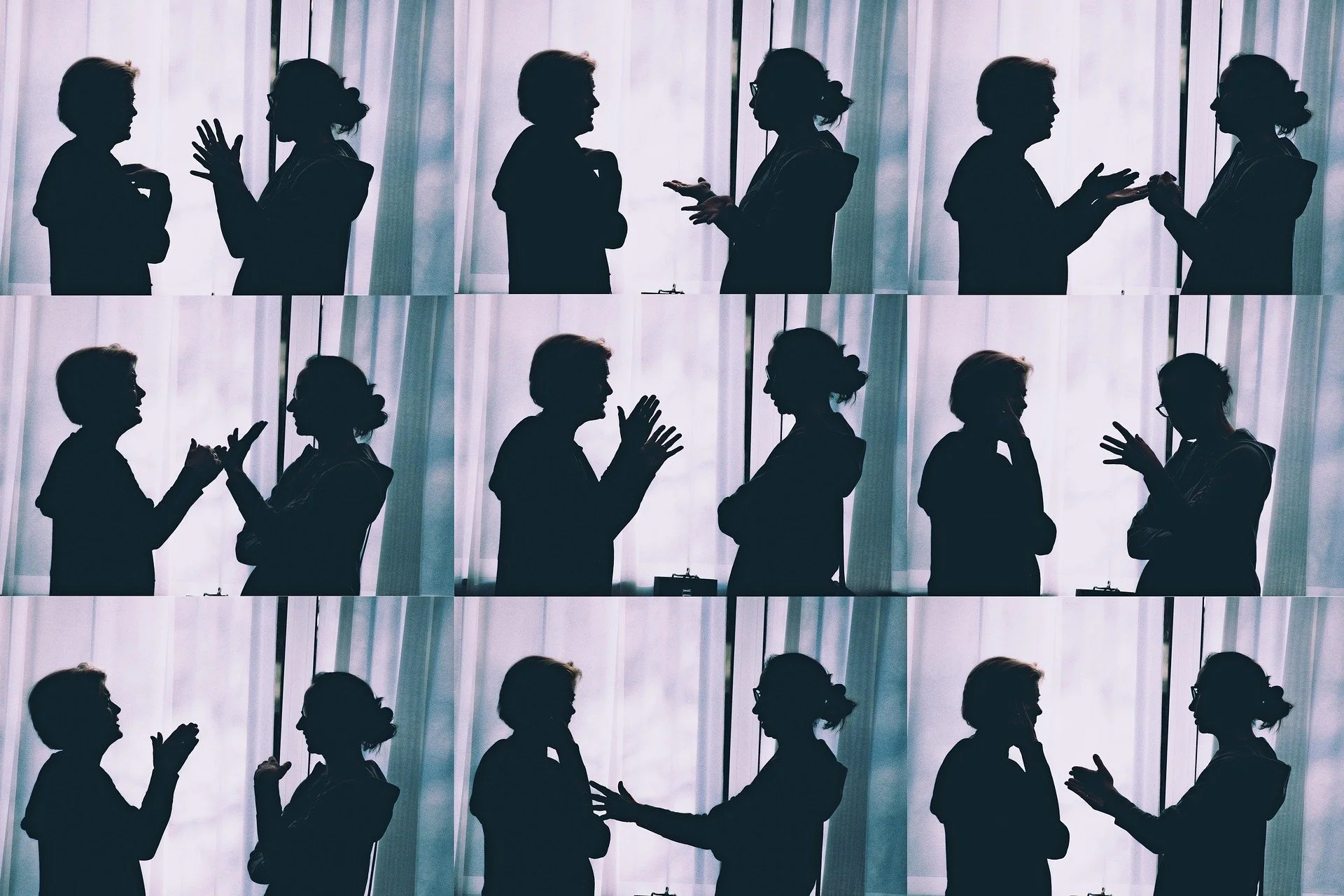
“The judge got it wrong.”
Sometimes it’s said quietly over coffee after the judging.
Sometimes it appears in online discussions.
Sometimes it sparks a full debate among photographers.
While this conversation is most common in camera clubs, it certainly isn’t limited to them. It appears anywhere photographers place their work in front of others for critique — competitions, portfolio reviews, exhibitions, judging panels, and workshops.
Recently I came across a discussion that perfectly illustrated this tension. A photographer described a judge suggesting that reflections be cropped out of water scenes, that buildings might be improved if windows or doors were moved, and even that people in public spaces could have been asked to step aside.
The responses ranged from thoughtful to blunt. Some questioned the judge’s credibility. Others dismissed the opinion entirely.
But underneath the noise lies a far more valuable question:
Who is actually right — the judge or the photographer?
“Judging photography is subjective. Creating it is subjective too.”
The Reality: Photography Is an Interpretive Art
Photography may rely on science and technology — cameras, lenses, sensors, exposure — but the finished image is still an artistic interpretation of the world.
And art lives in perspective.
Two photographers can stand shoulder-to-shoulder photographing the same scene and produce completely different images. Both may be valid. Both may be strong. They simply reflect different visions.
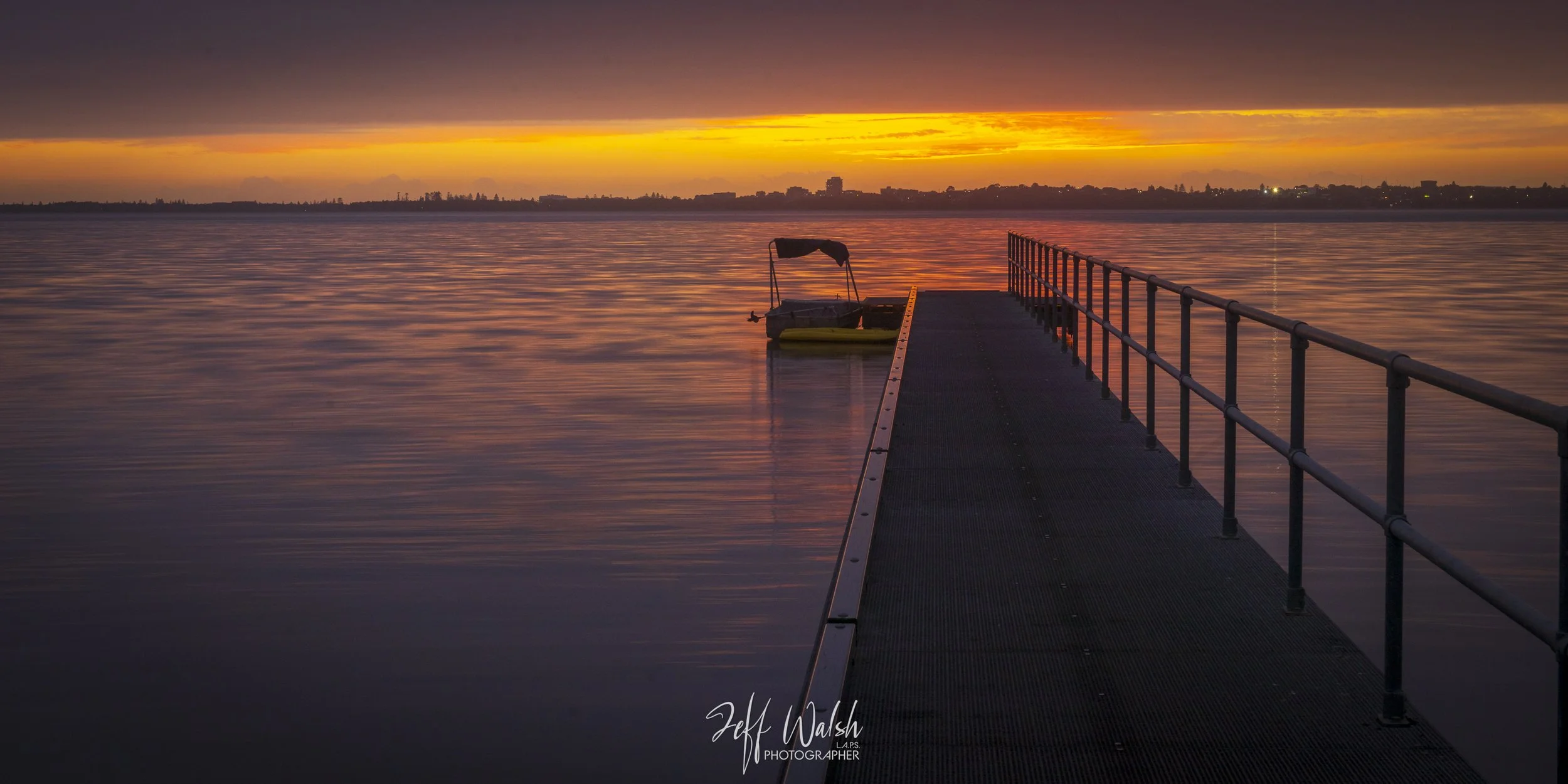
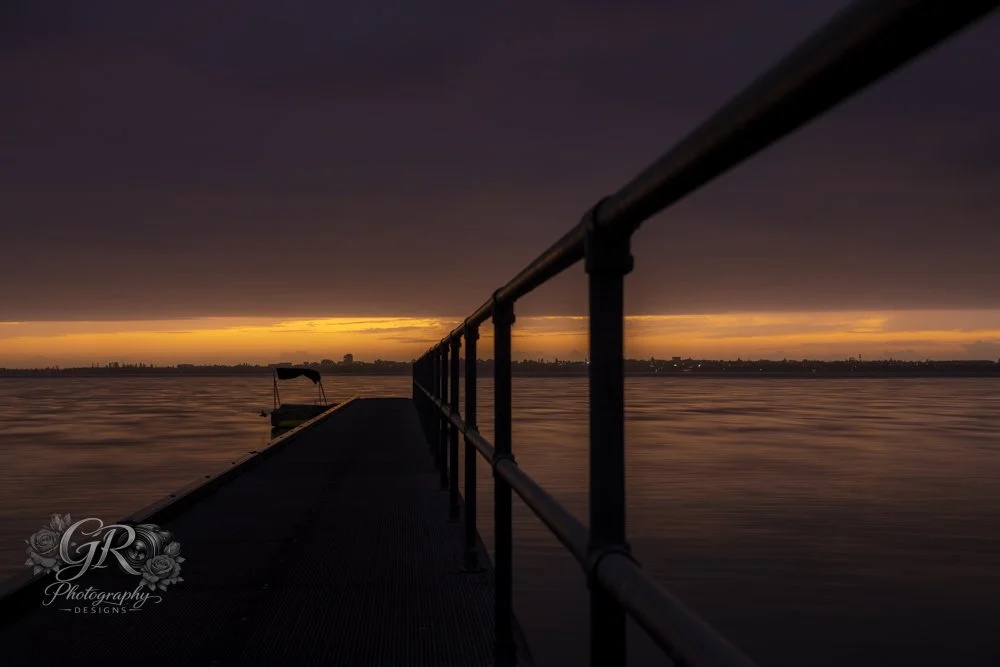
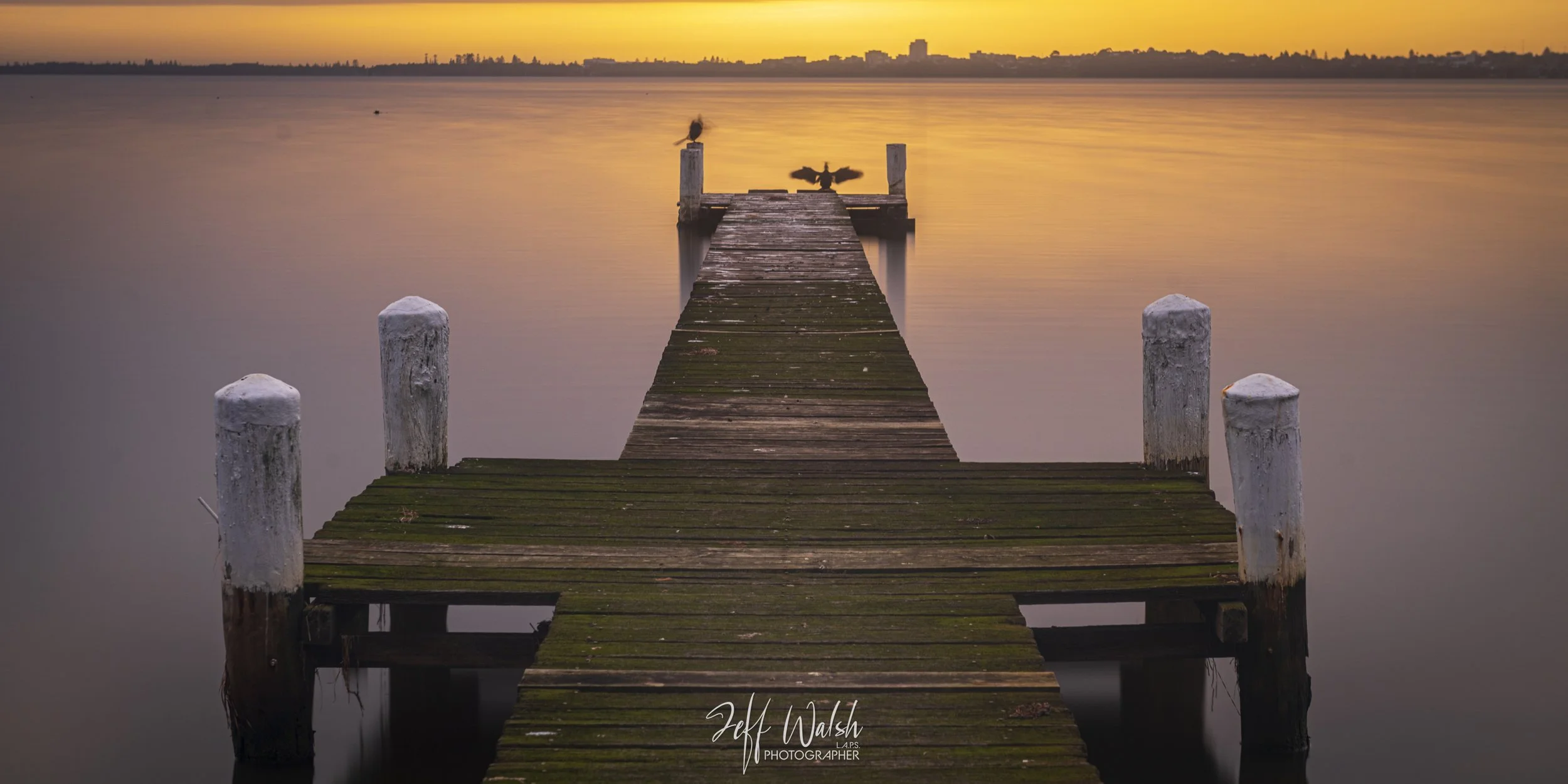
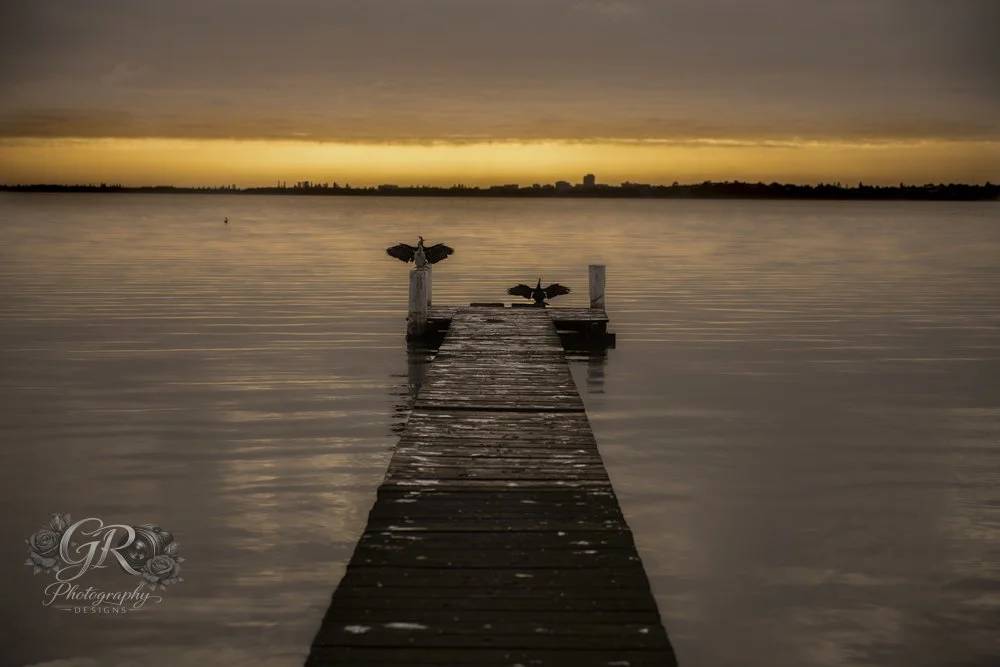
Two Photographers, same locations, same time, side by side. Each photographer has a different perspective and story to portray. This doesn’t make one right or one wrong. Images shot on a Sunrise PhotoWalk.(Images: Georgia Rose ~ GR Photography Designs & Jeff Walsh)
Judges are no different.
Every judge brings their own background, experience, influences, and visual preferences into the room. Some gravitate toward strong composition. Others prioritise storytelling, emotional impact, or technical precision.
Even among experienced judges, interpretations vary widely.
Analysing a photograph involves balancing composition, light, technical execution, storytelling, originality, and presentation — but always through the lens of human perception. Posted - The Art of Seeing_ Ste…
And human perception is never perfectly objective.
The Photographer’s Bias
While it’s easy to say judges bring bias, photographers do too.
When we create an image, we carry the entire experience with it:
The early alarm
The long drive
The cold wind
The patience waiting for the light
To the photographer, the image contains the story of the moment.
But a judge doesn’t see that story.
They only see the finished photograph.
That gap between experience and result is where misunderstandings often begin.
“A photographer remembers the journey behind the image. A judge only sees the final frame.”
Judges Are Not There to Stroke Egos
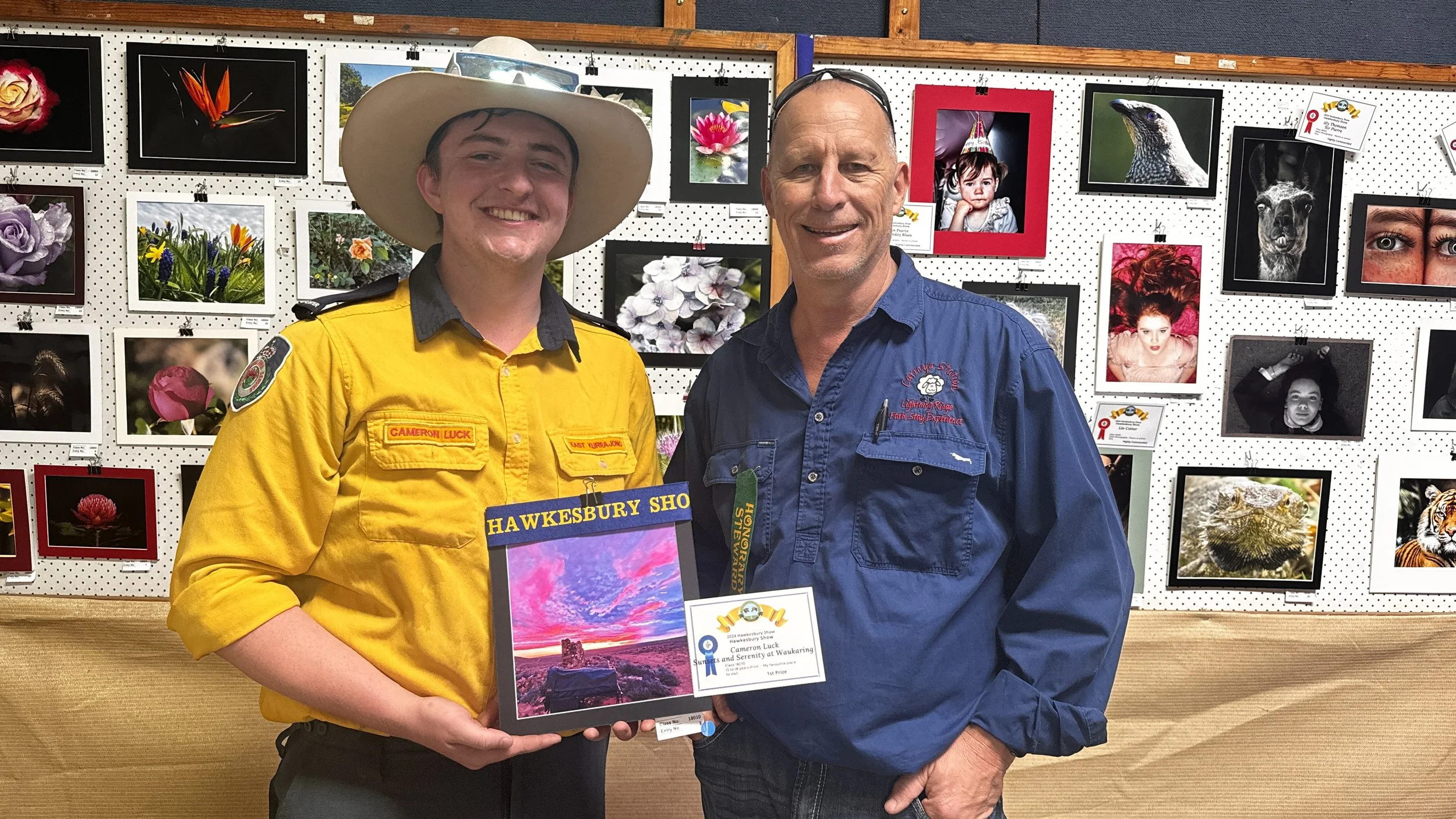
This is something worth saying clearly.
Judges are not there to stroke the ego of photographers.
Their role is to evaluate, interpret, and comment on an image as they see it. That includes expressing opinions that the photographer may not agree with.
Judges must be allowed to voice those opinions honestly.
At the same time, photographers are equally entitled to dismiss that opinion if it doesn’t align with their intent or creative vision.
Critique is not a command.
It is a perspective.
One Skill We Rarely Talk About: Presenting
Over time, I’ve noticed something else that often influences how critique is received.
Not all judges are great presenters.
And presenting is a completely different skill from judging.
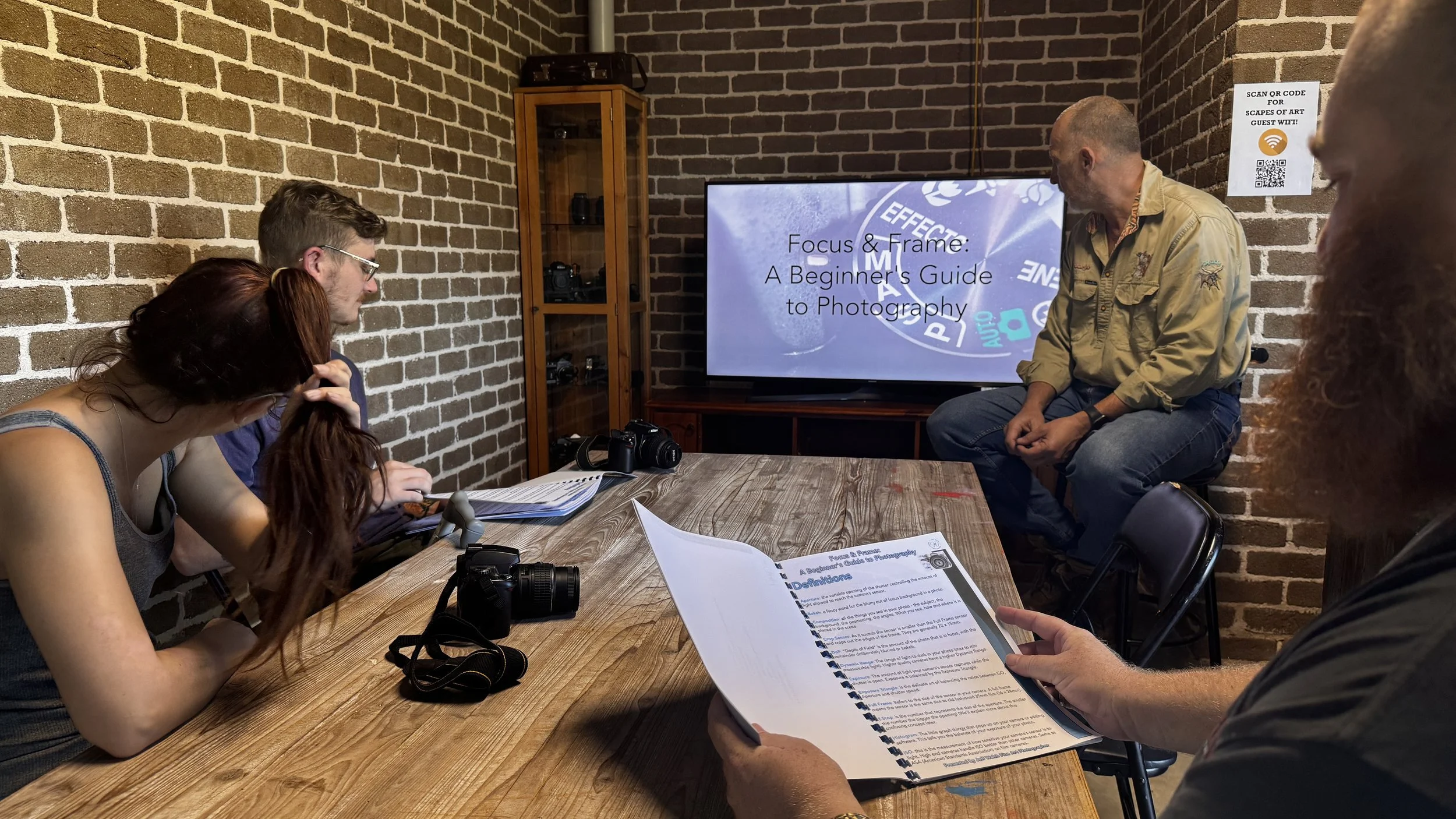
We’ve all sat through presentations at work or school where the speaker loses the room, misses the point, or simply struggles to communicate clearly. Judging photography can be the same.
Some judges may have excellent analytical ability but find it difficult to express their thoughts in a clear or engaging way.
That can easily lead to confusion about what they actually meant.
Just as judges should be aware of the skill level of the photographer, photographers also need to be aware of the presentation and speaking ability of the judge.
The message might be valuable — even if the delivery isn’t perfect.
A Small Exercise for Photographers
Here’s a useful exercise that helps illustrate the challenge judges face.
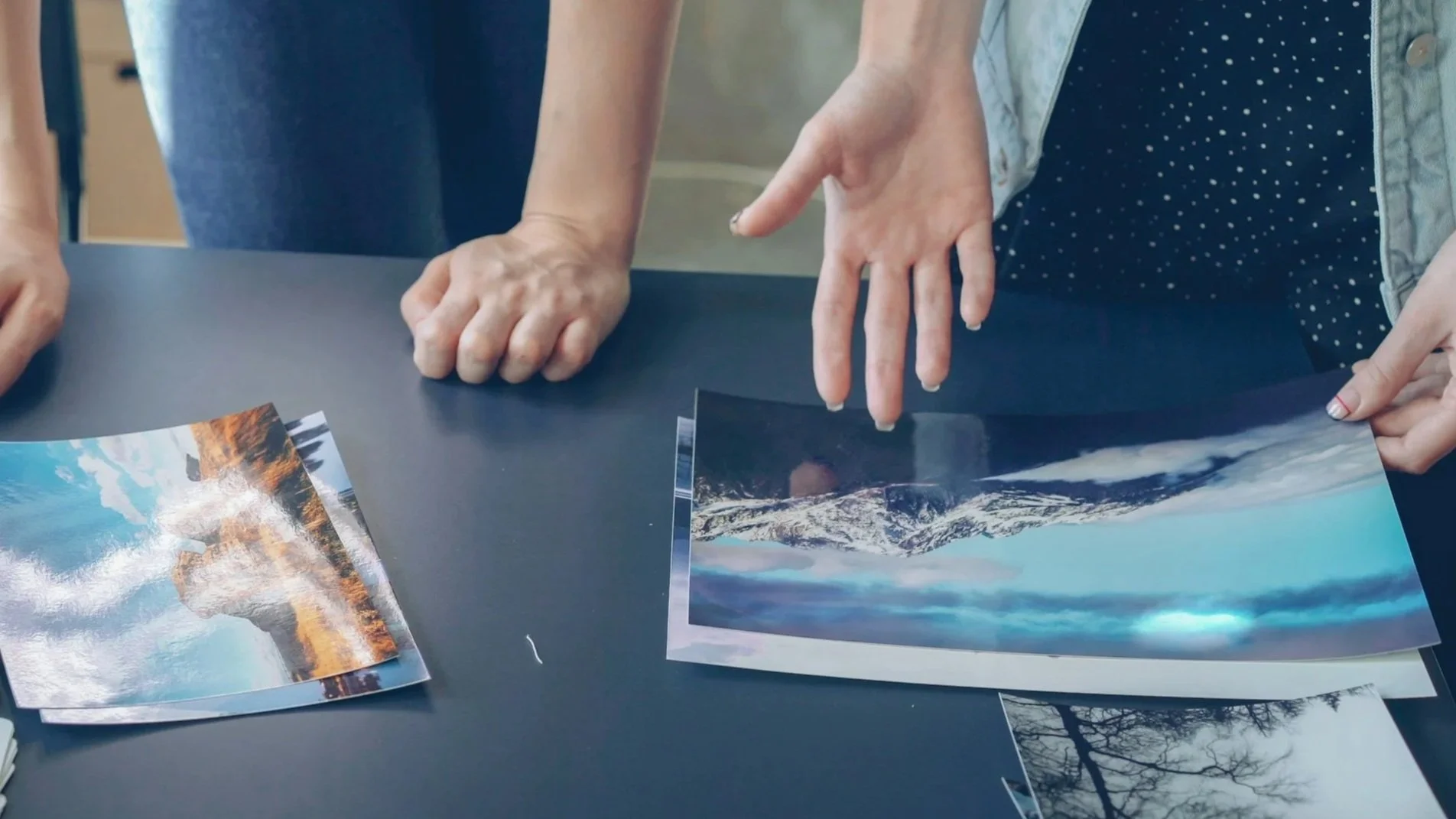
Find five random photographs.
Now give yourself 60 seconds to talk about each one.
There’s only one rule:
You cannot repeat the same point twice.
Each image must be discussed from a completely different perspective.
That’s the position many judges are in.
They may be reviewing dozens — sometimes hundreds — of images in a single session while trying to provide fresh observations for every photograph.
It’s not as easy as it looks.
Judges Should Also Learn the Art of Speaking
That said, critique is not just about analysis.
Communication matters.
Those providing feedback — judges, mentors, presenters — should continue to develop their presentation and speaking skills so their insights are clearer and more constructive.
The better the communication, the more valuable the feedback becomes.
But that improvement works both ways.
Photographers also need to be open-eared when listening to critique.
Not necessarily obedient.
Not necessarily compliant.
But willing to hear what is being said before deciding whether it has value.
When Judges Miss the Photographer’s Intent
There are times when a judge’s interpretation simply misses what the photographer was trying to achieve.
Perhaps the reflections were intentional.
Perhaps the presence of people added context or scale.
Perhaps the composition deliberately broke traditional rules.
If the judge misunderstands the intent, their critique may feel off target.
But again, interpretation is part of photography.
And sometimes that difference of interpretation reveals something interesting about the image itself.
The Shared Responsibility
The healthiest critique environment is built on mutual respect.
Judges should:
Explain their reasoning clearly
Recognise the photographer’s vision
Encourage experimentation and creativity
Avoid presenting opinion as absolute fact
Photographers should:
Listen openly to feedback
Separate critique from personal criticism
Consider suggestions thoughtfully
Decide for themselves what advice to adopt
Neither side needs to “win.”
The goal is understanding.
“The best critique isn’t about proving who is right — it’s about helping each other see differently.”
The Real Purpose of Critique
At its best, critique is a mutual exchange of perspective.
Judges bring experience, training, and analytical insight.
Photographers bring creativity, intent, and personal vision.
When both recognise the value of the other’s viewpoint, the conversation becomes collaborative rather than confrontational.
And that’s when the entire photographic community grows stronger.
A Final Thought
Photography has never been about everyone seeing the same thing.
It’s about seeing differently.
Judges interpret images through their experience.
Photographers create images through their vision.
Sometimes those viewpoints align.
Sometimes they don’t.
And that tension isn’t a problem.
It’s part of the creative process.
Continue the Conversation
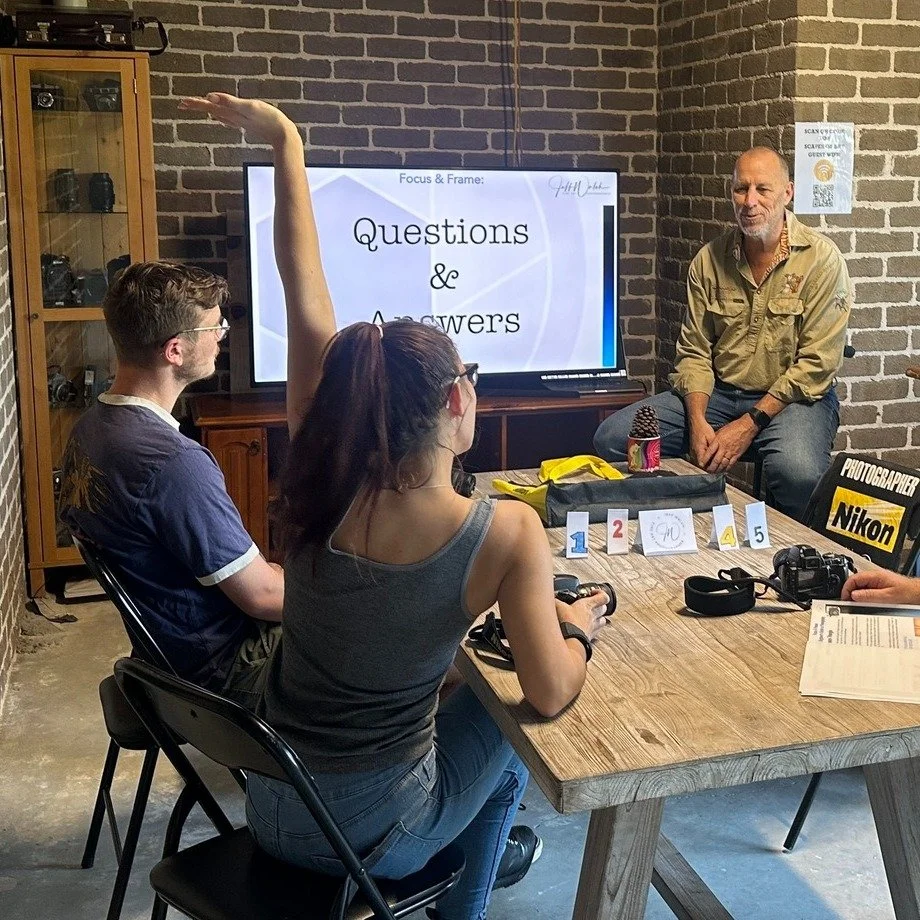
Critique, judging, and photographic interpretation are topics I often explore in my workshops, presentations, and education sessions.
If you’re interested in understanding how judges analyse photographs and how that can strengthen your own work, you might also enjoy this article:
“The True Art of Seeing: Steps to Analysing a Photograph Like a Judge.”
👉 Have you ever disagreed with a judge’s critique?
👉 Did it change how you approach your photography?
I’d love to hear your experience.
Share your thoughts and let’s keep the conversation going. 📸