Why Your Photos Never Look Like What You Saw
The Camera Saw the Scene. You Experienced It.
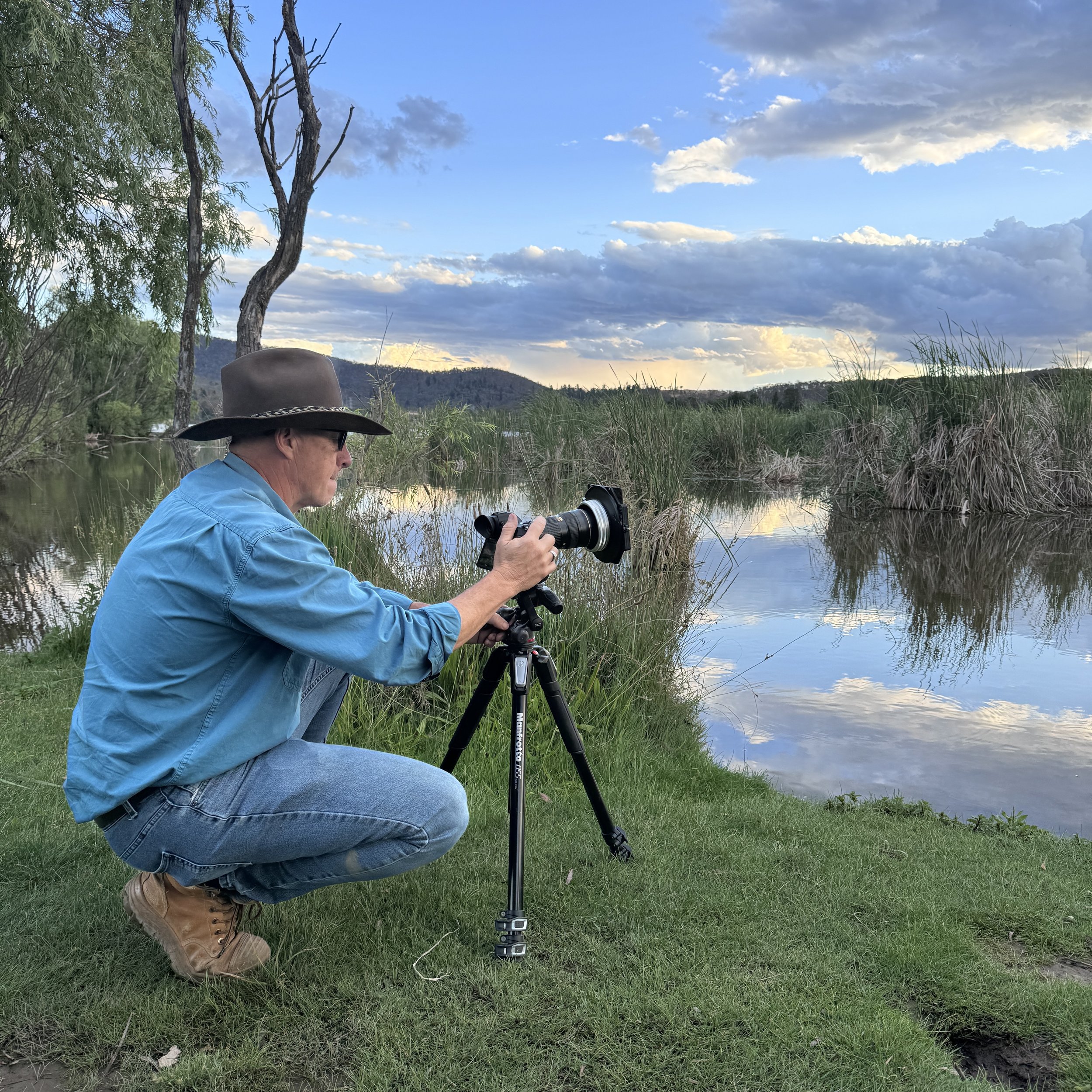
Have you ever stood in front of an incredible sunrise, waterfall or landscape and thought:
Wow. This is going to make an amazing photograph.
You raise the camera.
Compose the shot.
Press the shutter.
Then you look at the back of the camera and think…
What happened?
The sky looked brighter. The colours were richer. The shadows had detail. The scene felt enormous, dramatic and alive.
Yet the photograph somehow looks flat, dark, washed out or simply… disappointing.
I’ve seen this frustration countless times with photographers, particularly beginners. I’ve experienced it myself too.
Here’s the important part:
There probably isn’t anything wrong with your camera.
The problem is that your camera doesn’t experience the world the way you do.
And once you understand that difference, photography starts to make a lot more sense.
Your Eyes Aren’t Cameras
When I stand on the coastline watching a sunrise, I’m not seeing one frozen exposure.
My eyes are constantly moving around the scene.
I look towards the bright horizon. Then into the darker rocks. I notice reflections in the water. I see texture in the clouds. My attention moves backwards and forwards as my eyes and brain continually adjust to different levels of light.
My brain is doing something else as well.
It is interpreting what I see.
It knows the sand is warm.
It hears the waves.
It feels the wind.
It remembers the walk to the location.
It recognises the colours and atmosphere.
All of those things contribute to how I remember that moment.
The camera knows none of this.
It records light.
That’s it.
Our job as photographers is to somehow turn that recorded light back into an experience.
The Camera Has to Make Decisions
Every photograph is an interpretation of the scene.
Exposure changes it.
White balance changes it.
Shutter speed changes it.
Aperture changes it.
The lens you choose changes it.
Even where you stand changes it.
Your camera cannot know that the soft pink glow in the clouds was the reason you stopped walking and reached for it.
It doesn't know the crashing wave was important.
It doesn't know you wanted the foreground dark and mysterious rather than bright and detailed.
This connects directly with something I talk about in Which Mode Do I Pick? Choosing the Best Camera Mode for the Photograph.
The camera can make technical decisions.
It cannot make your creative decision.
That belongs to you.
Your Eyes Handle Contrast Differently
This becomes really obvious when photographing landscapes.
Imagine standing on a beach just before sunrise.
The sky towards the horizon might already be quite bright while the rocks immediately in front of you are still sitting in deep shadow.
You can look at the sky and see colour.
Then glance down and see texture in the rocks.
The camera has to deal with that enormous difference in brightness in a single photograph.
Expose for the bright sky and the foreground can become very dark.
Expose for the foreground and you may lose detail in the brightest parts of the sky.
Suddenly the photograph on the back of the camera looks nothing like the beautifully balanced scene you remember.
That isn't necessarily a camera failure.
It's a photographic problem waiting for a photographer to solve it.
I might change my exposure.
I might use a graduated filter.
I might bracket exposures.
I might change my composition.
Or I may deliberately allow parts of the image to become dark because that better represents the mood I want.
That decision is where photography begins moving from recording towards creating.
“A camera records the light in front of it. A photographer records what the moment meant.”
Your Brain Creates a Bigger Picture Than Your Camera
There’s another huge difference between looking at a landscape and photographing one.
When I stand somewhere beautiful, I don't see a rectangle.
I look left.
I look right.
I notice the sky.
I study the foreground.
My attention might jump from a tree to a mountain, then across to the light falling on the water.
My brain quietly pieces all of those observations together into an overall experience.
The camera doesn't do that.
The moment I raise it to my eye, I have four edges.
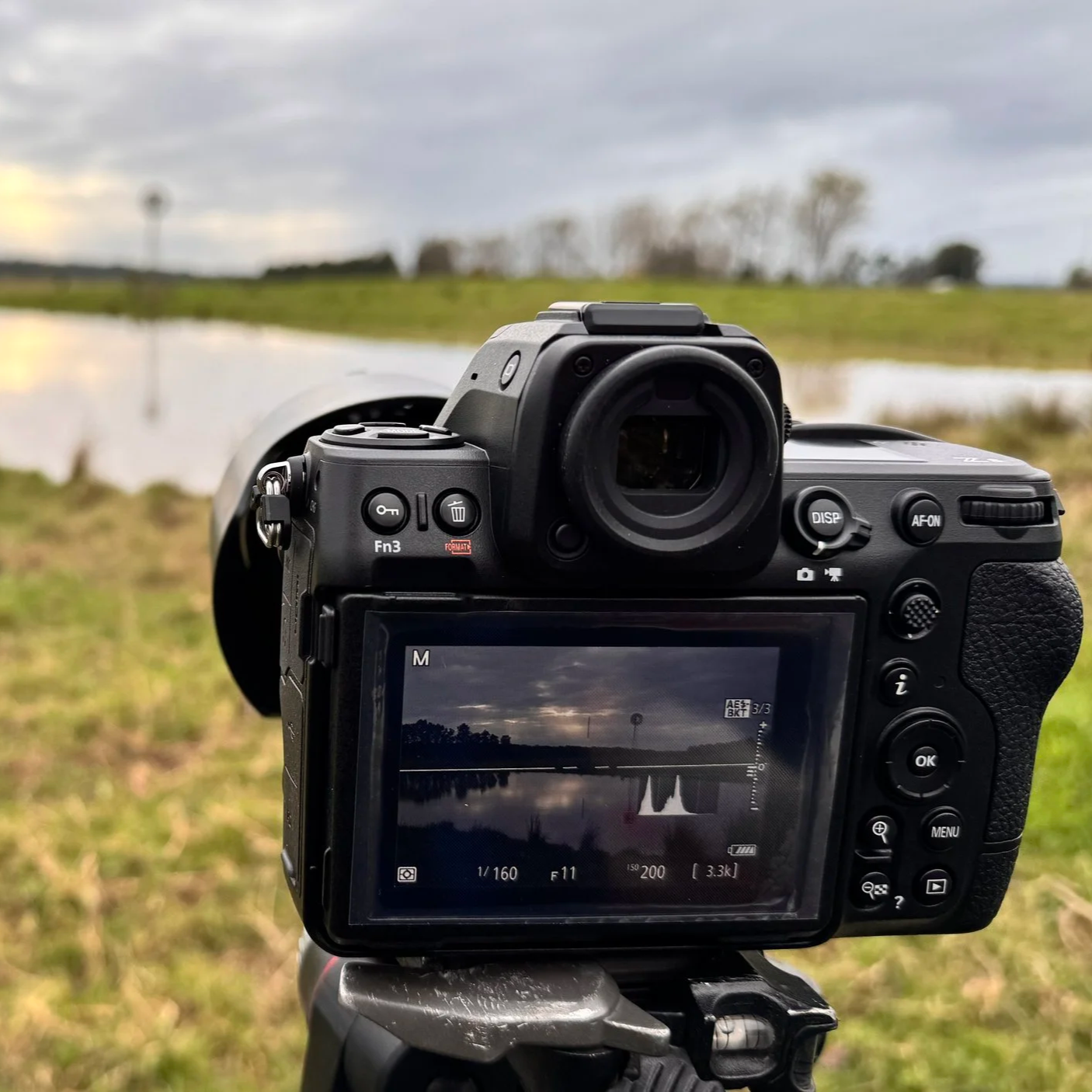
Everything inside those edges becomes part of the photograph.
Everything outside them disappears.
Suddenly that little branch I didn't notice matters.
The rubbish bin at the edge matters.
That bright patch of empty sky matters.
The rock cutting awkwardly through the corner matters.
Photography forces us to become selective.
That’s why composition is such an important part of learning photography. I explore this much further in The True Art of Seeing: Steps to Analysing a Photograph Like a Judge.
Learning photography isn't simply learning how to operate a camera.
It is learning what to include, what to exclude, and why.
What You Saw Was Also a Moment
Light changes incredibly quickly.
This is something landscape photographers learn very early.
A beautiful patch of light might last seconds.
A wave breaks.
Cloud moves across the sun.
Mist shifts through a valley.
The reflection disappears.
The colour intensifies and then fades.
You might remember the whole sunrise as spectacular, but your camera only recorded 1/125th of a second of it.
Or half a second.
Or ten seconds.
Photography isolates one tiny piece of time from a much larger experience.
This is why timing matters so much.
It’s also why I encourage photographers to arrive early and watch how light develops rather than simply turning up, taking three photographs and heading home.
During Blue Hour Photography at The Entrance, for example, the light can shift dramatically as blue hour moves towards sunrise.
The photographer who is watching sees those changes coming.
The photographer who is merely looking for camera settings often misses them.
Then There Is the Emotion
This might be the biggest difference of all.
A camera doesn't feel anything.
You do.
Perhaps you've hiked for two hours to reach the location.
Maybe you've visited five times waiting for the right conditions.
Maybe the morning reminds you of somewhere important.
Perhaps you were standing completely alone watching mist move through a valley.
The resulting photograph contains none of those feelings automatically.
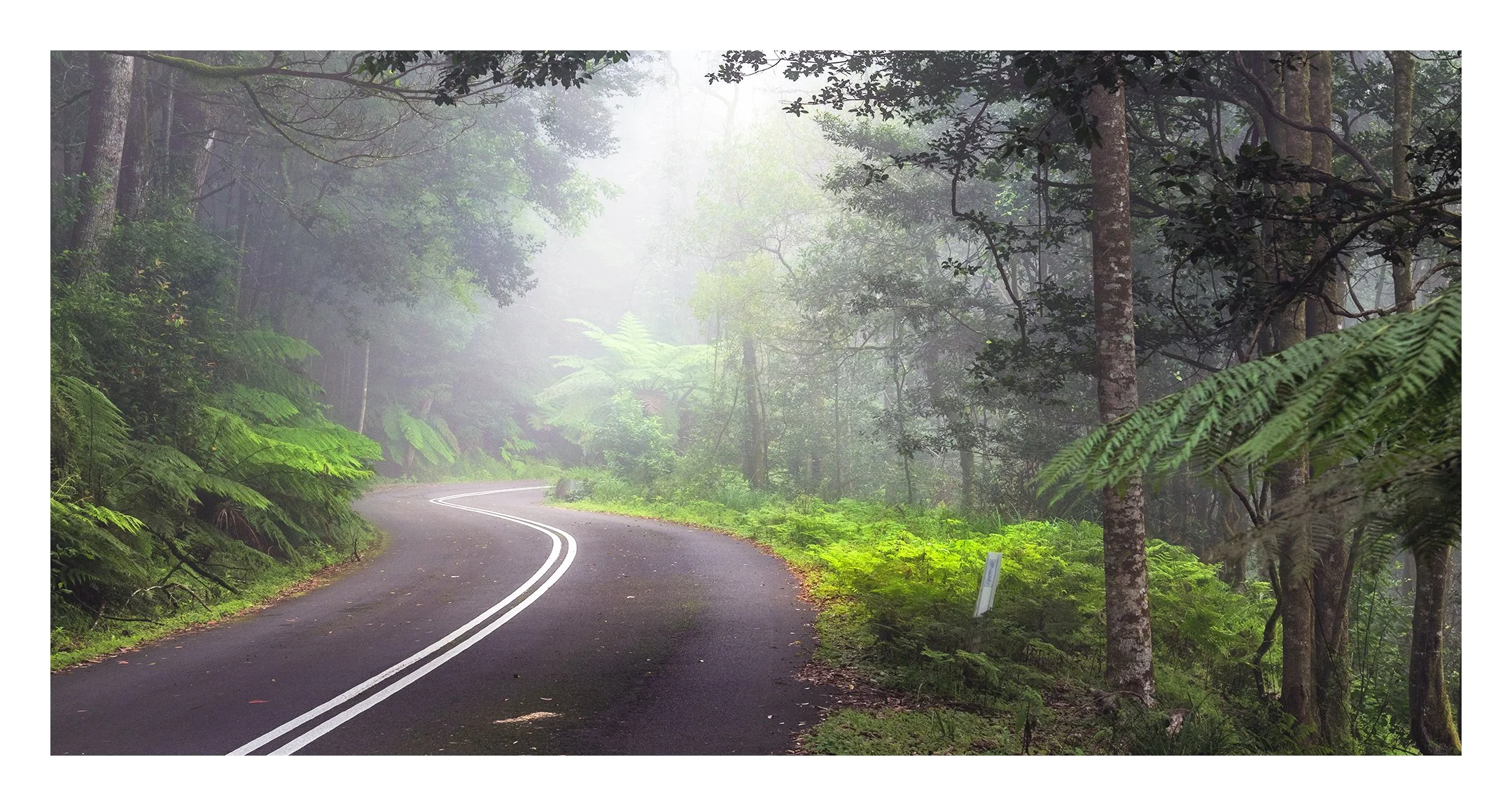
You have to communicate them.
Through light.
Through composition.
Through timing.
Through colour.
Through movement.
And eventually through your editing.
That's storytelling.
A technically correct exposure isn't necessarily an emotionally successful photograph.
I can produce a perfectly exposed, perfectly sharp photograph that says absolutely nothing.
And I can create an image that bends some of the technical rules yet makes someone stop and stare.
That difference is intention.
The RAW File Isn't Supposed to Be the Finished Photograph
This catches many developing photographers.
They download their photographs, open the RAW file and think:
It looked better on the back of the camera!
The image may suddenly appear flatter or less colourful than expected.
That doesn't mean something has gone wrong.
The photograph still needs interpretation.
For me, post-production isn't about rescuing bad photography or turning reality into fantasy.
It is part of making the photograph.
I may adjust:
exposure
highlight and shadow balance
white balance
contrast
colour
local brightness
cropping
distractions
sharpening
The purpose is to guide the viewer towards what I saw and felt when I made the image.
I explore that entire process in The Three Sciences of Photography: Capture, Edit & Print, because pressing the shutter is only one part of creating a finished photograph.
Capture gives me the material.
Editing helps me tell the story.
Printing asks me to commit to it.
Stop Asking “Why Doesn't It Look the Same?”
This is the mindset shift I want photographers to make.
Instead of asking:
Why doesn't my photograph look exactly like what I saw?
Start asking:
What was it about this scene that made me want to photograph it?
That is a much more useful question.
Was it the light?
The colour?
The scale?
The reflection?
The movement?
The isolation?
The mood?
Once you know the answer, you can start making photographic decisions that protect that feeling.
Maybe you need to move closer.
Maybe you need a longer lens.
Perhaps the foreground isn't actually important.
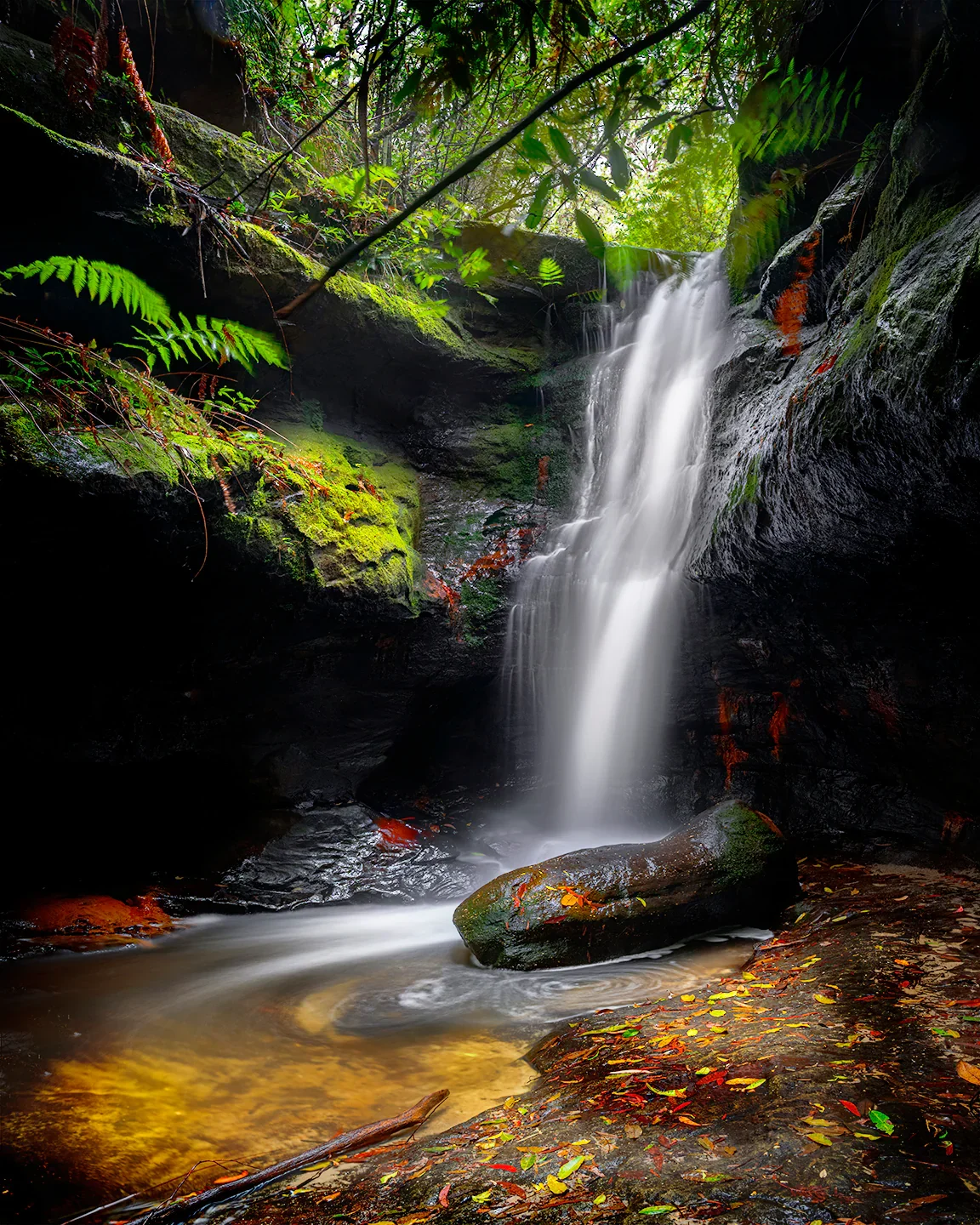
Maybe a slower shutter speed better represents the movement you experienced.
Perhaps the scene should be darker.
Maybe the colour needs to remain subtle rather than being pushed until the saturation slider begs for mercy.
There isn't one correct answer.
There is only the question:
What am I trying to communicate?
A Simple Exercise: Photograph What You Felt
Next time you're somewhere that makes you reach for the camera, don't shoot immediately.
Give yourself sixty seconds.
Before touching any settings, identify three things:
What caught my attention first?
What does the light feel like?
What do I want someone else to notice when they see this photograph?
Then make the photograph.
Look at it.
Does your eye go to the same place?
Does the light feel the same?
Is something distracting from the reason you pressed the shutter?
If it isn't working, don't immediately blame the settings.
Move.
Recompose.
Change your exposure.
Wait for the light.
Try again.
That process is photography education happening right there in the field.
The Goal Isn't Perfect Reproduction
The longer I've photographed, the less interested I am in making a literal copy of what stood in front of me.
I want to make photographs that communicate what attracted me to the scene.
Sometimes that requires patience.
Sometimes technical knowledge.
Sometimes editing.
Often it requires all three.
And this is exactly why photography is such a fascinating lifelong pursuit.
You never really finish learning how to see.
“The goal isn’t to make the photograph look exactly like the scene. It’s to make it feel like being there.”
Learn to See Before You Learn to Chase Settings
If your photographs don't yet look or feel the way you imagined, don't be discouraged by that gap.
Study it.
That gap is telling you what you need to learn next.
Maybe it's exposure.
Maybe it's composition.
Maybe it's understanding light.
Maybe it's editing.
Or perhaps it's simply slowing down long enough to recognise what made you stop in the first place.
That is what I want photographers to learn through The Light Chaser Education Series.
Not simply which button to press.
I want you to understand why you're pressing it.
Because once you begin connecting what you see, what you feel and what your camera records, photography becomes far more intentional.
And that's when your photographs begin looking less like something the camera saw…
…and more like something you created. 📸✨
Where Are You Getting Stuck?
Have you ever captured a photograph that looked completely different from the scene you remember?
What was wrong with it?
Too dark?
Wrong colour?
Flat light?
No sense of scale?
Or did it simply fail to capture how the moment felt?
Tell me in the comments. That's exactly the sort of photographic problem worth talking about.