The Three Sciences of Photography: Capture, Edit & Print
What It Really Means to Be a Photographer
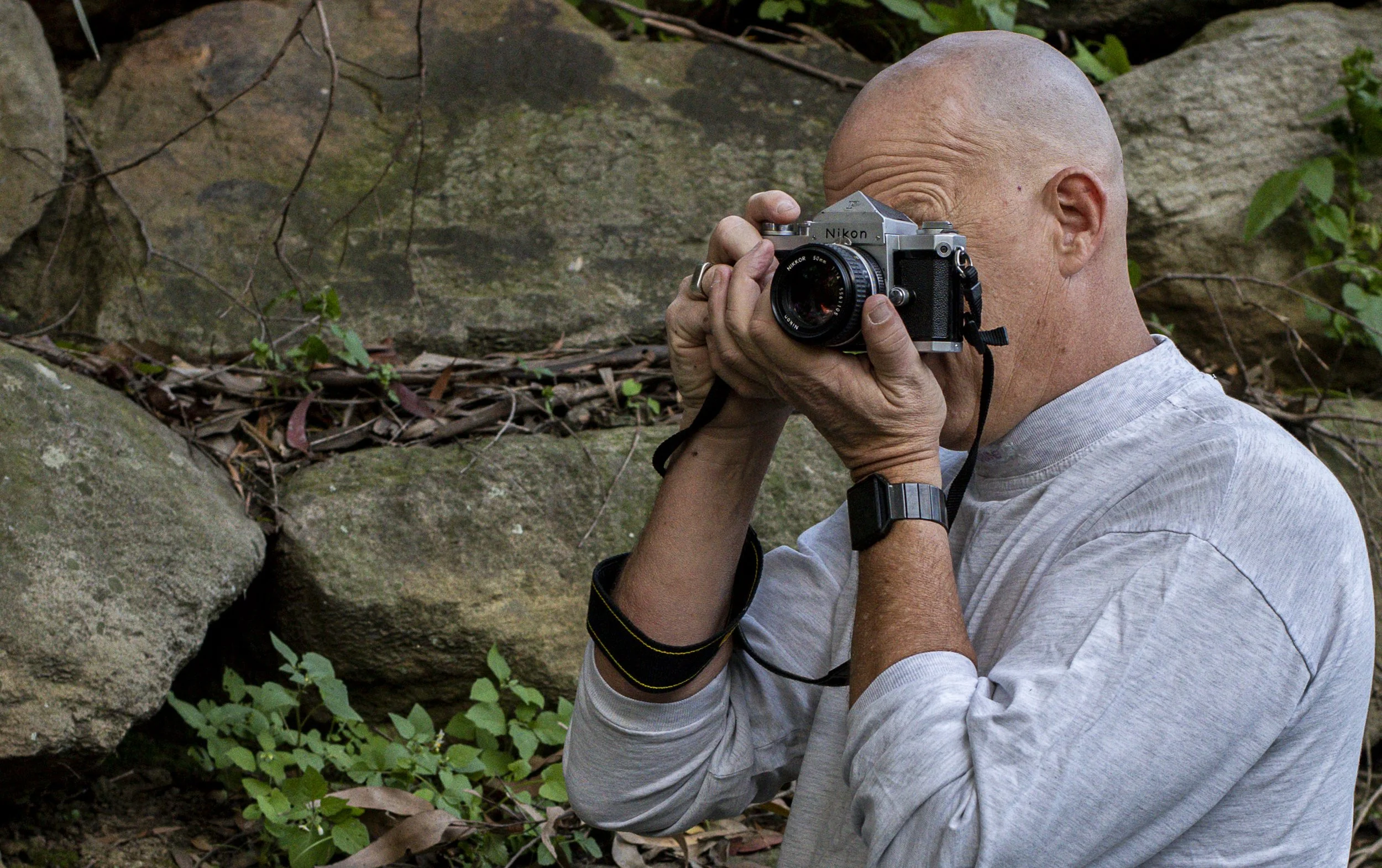
Photography is often reduced to a single act — pressing the shutter.
But the longer I live this craft, teach it, judge it, and present it on gallery walls, the clearer this becomes:
Being a photographer is not one skill. It’s a complete system.
A finished photograph is the result of three connected sciences: capture; editing and printing.
Each can be studied on its own. Each can become a speciality. And together, they define what it truly means to be a photographer.
Science One: Capture — The Discipline of Preparation and Seeing
Capture is where photography begins — but not when you arrive on location.
It begins long before the camera comes out of the bag.
The Foundation: Knowing the Basics
At the heart of capture is understanding the fundamentals — aperture, shutter speed, and ISO. These aren’t optional extras; they are the language of photography.
Without control of exposure, you’re guessing.
That’s exactly why I created my Exposure Triangle Cheat Sheet — a practical field guide to help photographers make confident decisions instead of hoping the camera gets it right. Strong capture always starts with understanding light.
Planning: Photography Happens Before the Shoot

The best images I’ve ever made were planned — sometimes a day ahead, sometimes several days in advance.
Planning includes:
experience: previous visits, other photographers
weather systems
cloud direction and height
sunrise and sunset angles
tides and access
safety and timing
apps & software
This work is invisible in the final image, yet absolutely critical. Planning removes luck from the equation and replaces it with intention.
If this side of photography interests you, it’s explored deeper in my earlier blog “Top 5 Tips for Shooting Golden Hour”, where I break down how preparation and light awareness directly shape the final photograph.
Learning to Truly See
Capture isn’t just technical — it’s perceptual.
Seeing light, recognising balance, anticipating moments, and understanding how a viewer’s eye will travel through the frame are learned skills.
That process is explored in detail in “The True Art of Seeing”, where I talk about analysing photographs not just as images, but as visual stories. Learning to see is what separates photographers from people who simply point a camera.
Choosing the Right Tools for the Job
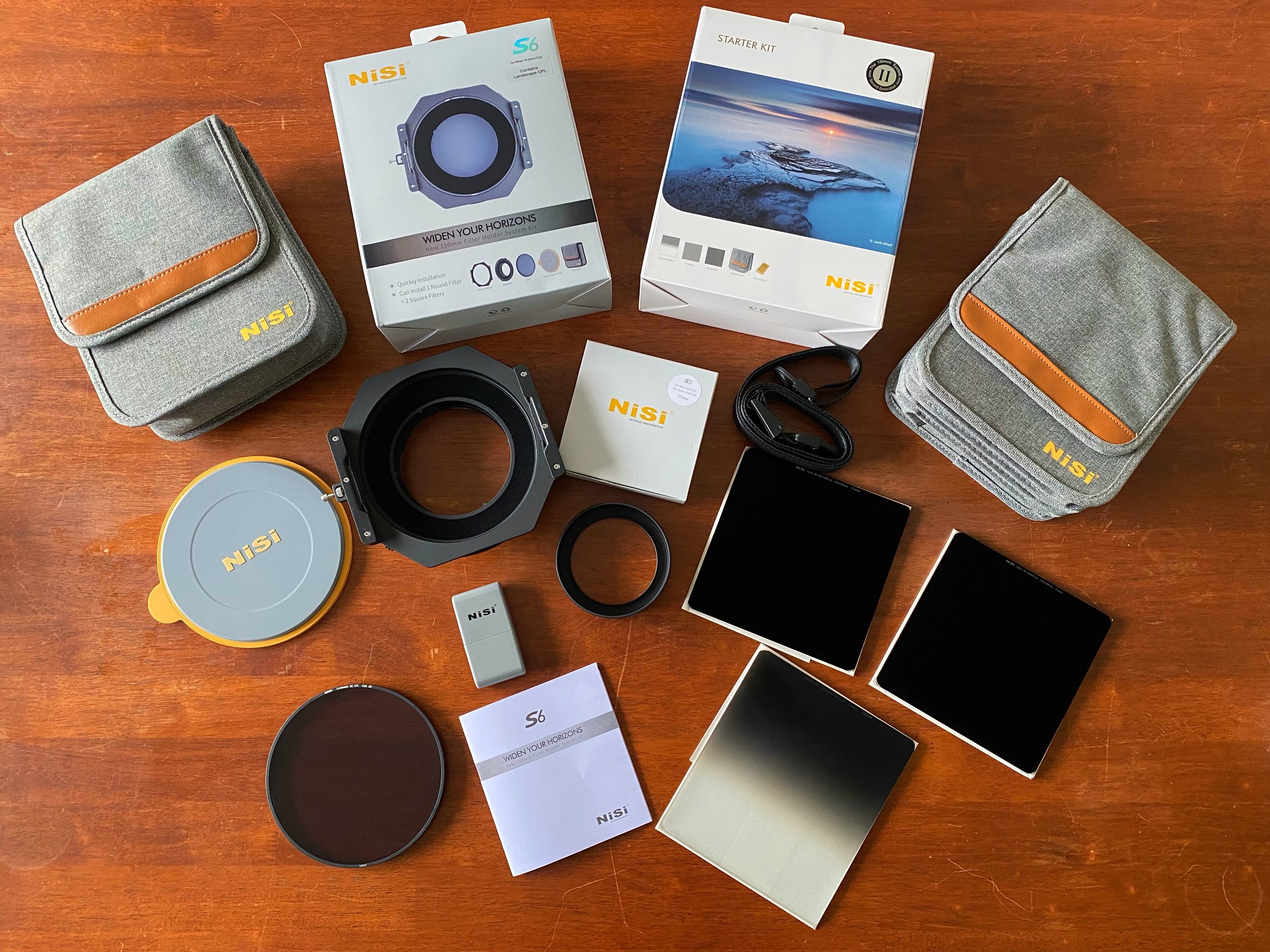
Part of capture is knowing which equipment suits the task — and which doesn’t.
A photographer understands that:
a 400mm lens has no place in a studio portrait session
a 10mm lens won’t serve distant sports action
the “best” gear is always contextual
which filter to use to control light
This isn’t about owning more equipment.
It’s about understanding why you choose what you choose.
Capture is the science of preparation, anticipation, and informed decision-making.
Science Two: Editing — Where Storytelling Lives
Editing is where the photographer’s voice becomes clear. This is where the viewer connects with the story or vision behind the image, not just what was in front of the lens.
Editing as Storytelling
Editing guides the viewer:
where to look
what to feel
how long to stay
It’s interpretation, not correction.
Two photographers can stand side by side, photograph the same scene, and produce entirely different images — because editing reflects how each photographer felt in that moment.
Enhancement, Not Reinvention
Editing should enhance the image, not overpower it.
Good editing:
refines tone and colour
balances contrast
removes distractions while preserving honesty
When editing becomes obvious, the story weakens.
The Editing Environment Matters
Editing decisions are influenced by the environment you work in:
ambient light
monitor calibration
screen brightness
mental state
A calm, consistent workspace encourages restraint — and restraint is where strong editing lives.
AI Is a Tool, Not a Substitute
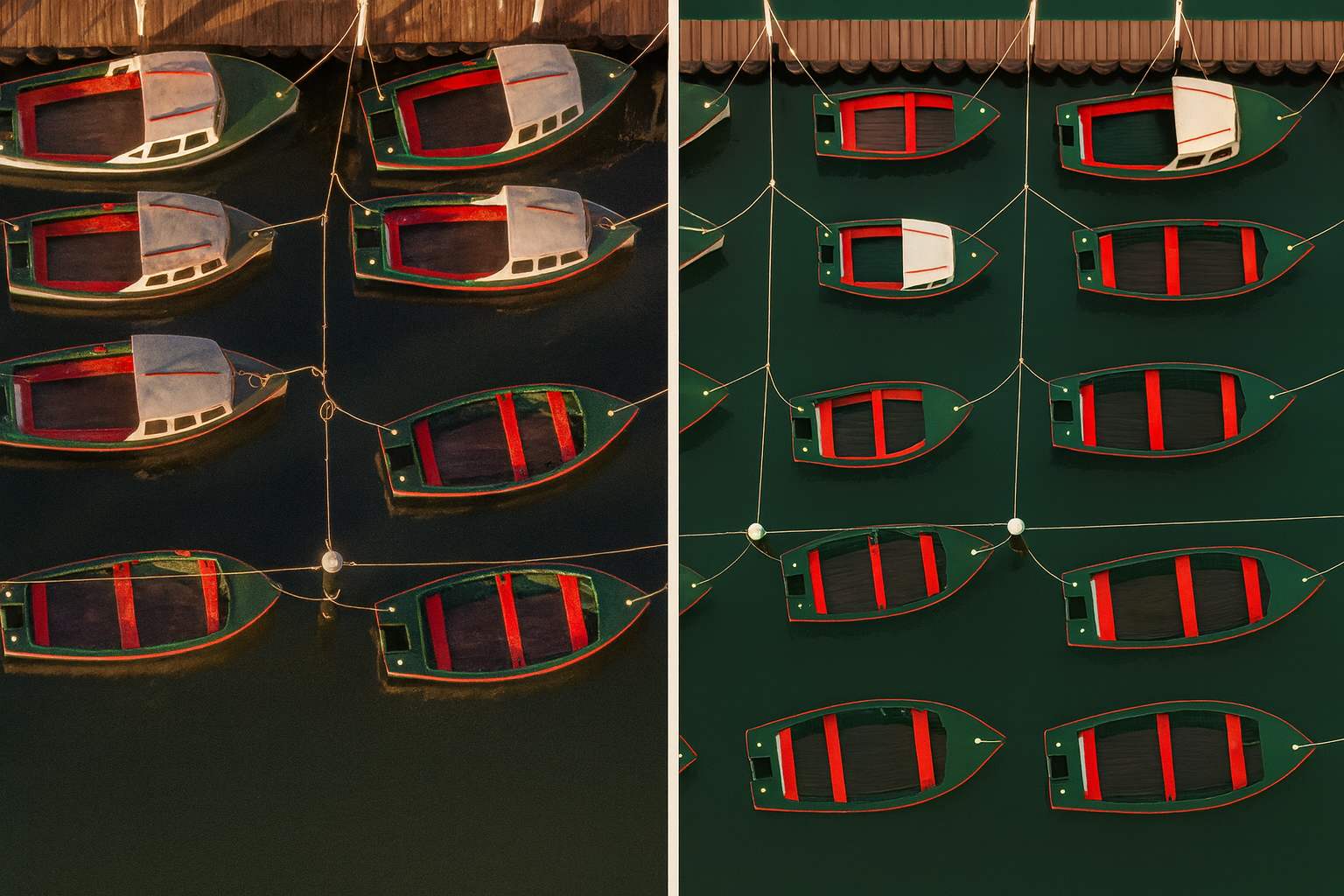
AI has a place in modern photography — but it is not a replacement for craftsmanship.
Used carefully, it can assist workflow.
Used carelessly, it replaces honesty with convenience.
This balance — and where the line is drawn — is discussed openly in my AI in Photography blog. Editing still requires judgement, taste, and integrity.
Technology can assist.
Craft still leads.
Science Three: Printing — The Commitment to the Image
Printing is where photography becomes tangible.
Even though we don’t touch the print, we see texture, detail, and depth that screens can’t replicate.
The Tactile Experience
Paper choice, surface texture, scale, and tonal depth all change how an image is experienced.
Prints slow people down.
They invite presence.
Printing as a Statement of Confidence
When a photographer prints an image, they’re saying:
This image is finished.
This image matters.
I stand behind this work.
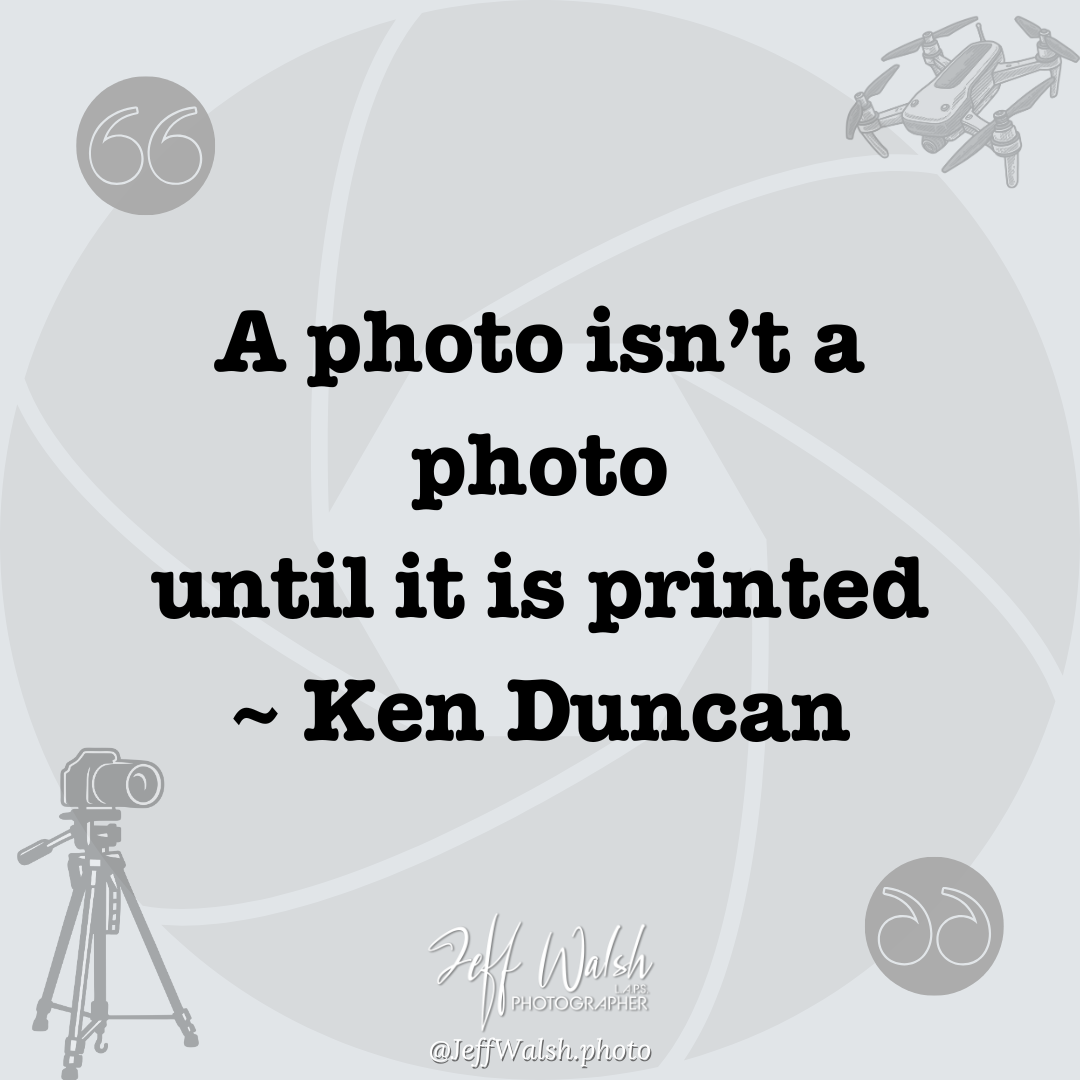
Legendary Australian photographer Ken Duncan said it perfectly:
“A photo isn’t a photo until it is printed.”
Printing is confidence.
Printing is commitment.
Printing completes the photographic process.
Being a Photographer — How I Review an Image
When I judge or review photographs, I consider all three sciences.
Capture
What effort went into creating this image?
Was there planning, patience, and intent?
What was the degree of difficulty?
Editing
Is the image technically clean?
Is the editing transparent and respectful?
Does it enhance or degrade the photograph?
Printing / Presentation
Does the final output represent what I would expect to see?
Are the colours believable — or do they intentionally reflect the artist’s vision?
Does the presentation honour the image?
A strong photograph holds integrity across all three stages.
To Be a Photographer
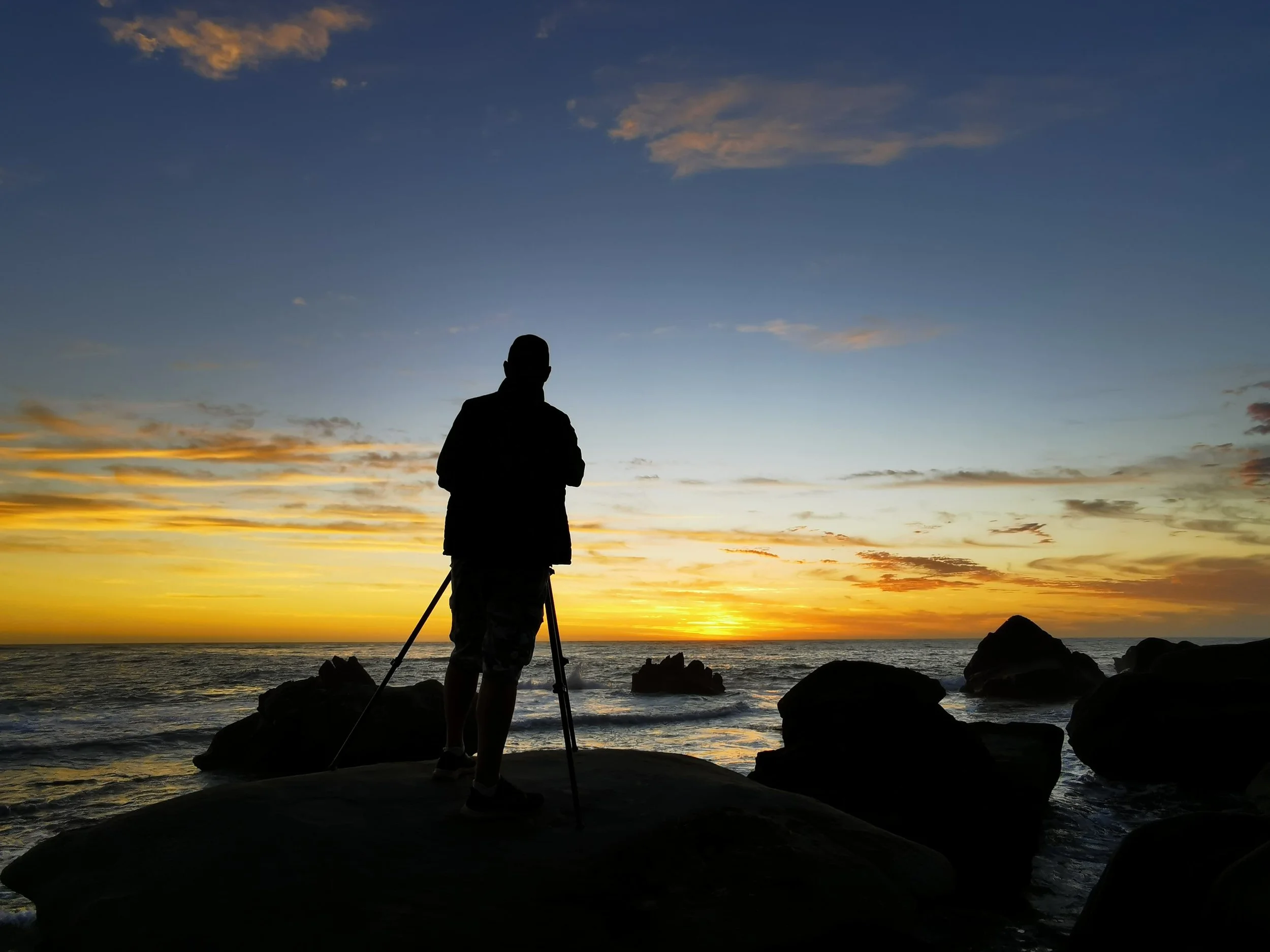
To be a photographer is to commit — not dabble.
Capture with intention.
Edit with honesty.
Print with confidence.
Aim to understand all three sciences.
Aim to respect the process.
Aim to be the best you can — creatively, technically, and ethically.
If this resonated, leave a comment below and tell me which of the three sciences you’re strongest in — and which one you’re ready to work on next.
And if you’re ready to go deeper, this philosophy is exactly what future capture, editing, and printing workshops will be built around.
Let’s stop leaving photographs unfinished — and start completing the work we begin. 📸✨